When sourcing pallets for your business, understanding the grading system is essential for making cost-effective decisions without compromising on quality. This page explains what each grade means, what it does not, and how to tell them apart on the dock.
What is Pallet Grading?
Pallet grading is an industry-standard system used to categorize pallets based on their physical condition, structural integrity, and overall appearance. While grading criteria can vary slightly between suppliers, most follow similar guidelines used across the recycled pallet trade.
Grade A Pallets
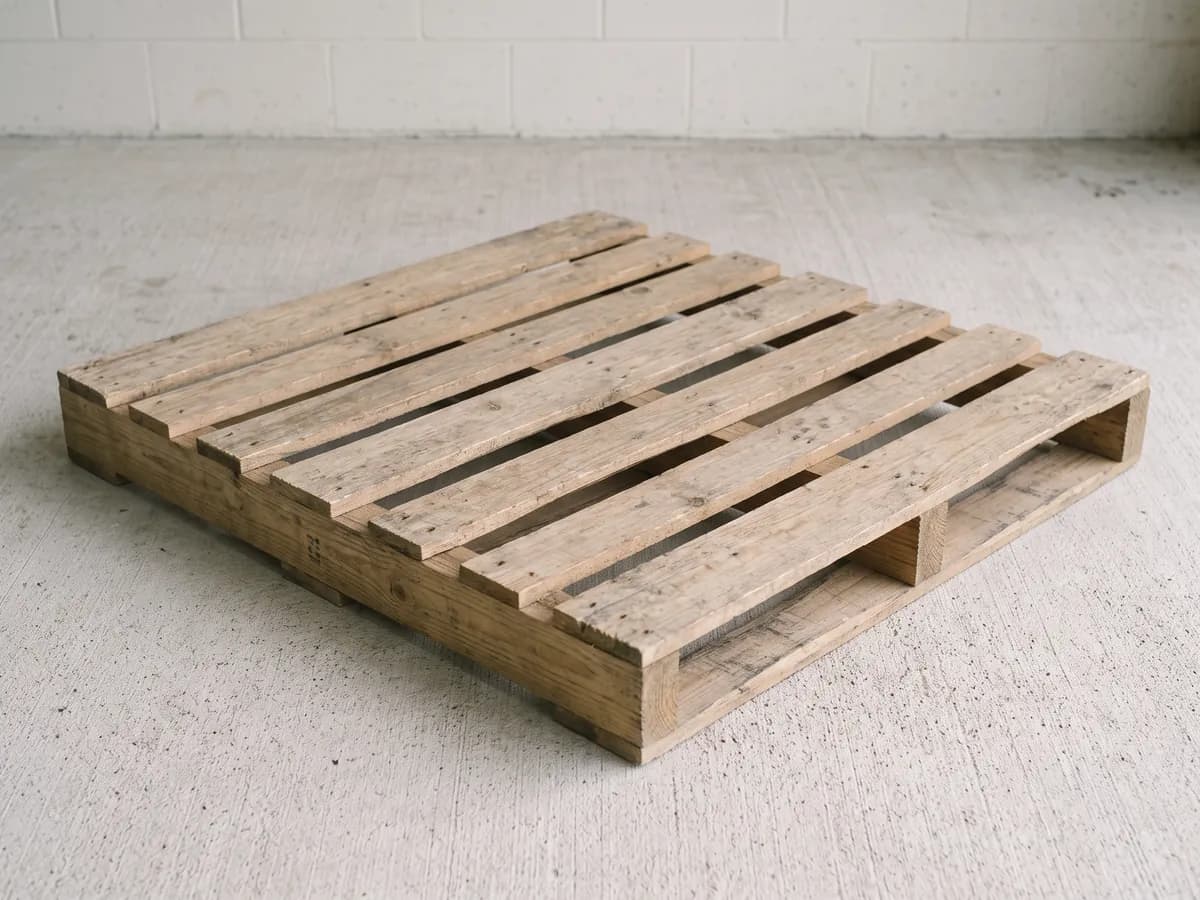
Grade A pallets are the highest quality option available. These pallets are in excellent condition with minimal signs of wear and no broken or missing boards. They've typically only been used once or twice and maintain their original structural integrity.
Best for:
- Retail displays and customer-facing applications
- Racked storage where fit and condition both matter
- Food and pharmaceutical industries with strict standards
- Automated warehousing systems requiring consistent dimensions
What we stock in this condition, and when the premium is worth paying, is set out on our Grade A pallets page.
Grade B Pallets
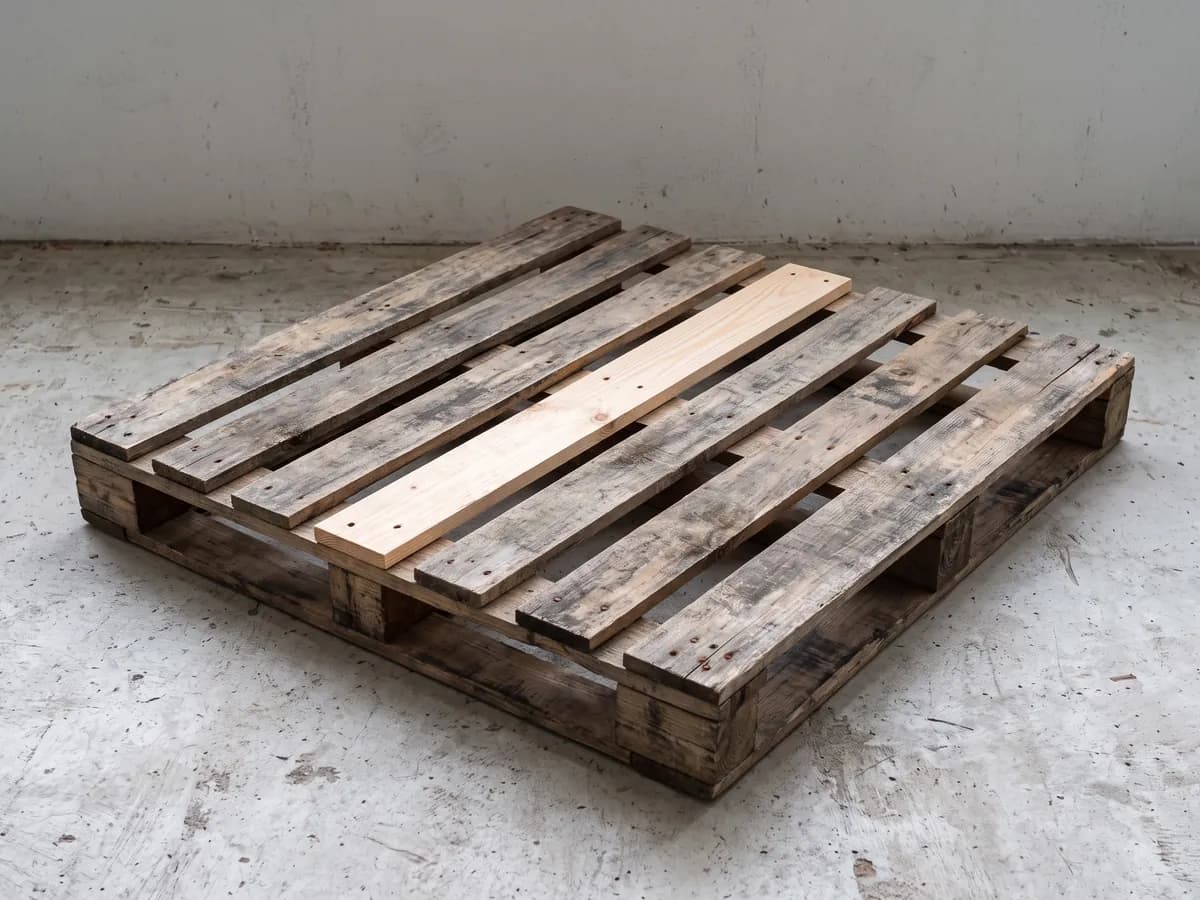
Grade B pallets show moderate signs of use but remain fully functional. They may have minor cosmetic imperfections, slight discoloration, or repaired boards. However, all structural elements are sound, and they are fully functional for most warehouse and shipping applications.
Best for:
- Warehouse storage and internal logistics
- B2B shipments where appearance is secondary
- Manufacturing facilities with standard pallet requirements
- Cost-conscious operations without compromising safety
Our Grade B pallets page goes further into what the wear actually is and why a repaired board is not a defect.
Grade C Pallets
Grade C is the trade's name for a pallet with heavy wear: multiple repairs, weathering, boards that have been replaced more than once. We do not sell Grade C. A pallet that reaches our yard in that condition is cut down rather than resold, and what can be reused goes back into reconditioning stock. If a supplier offers you Grade C at a low price, look at the stringers and the corners before you take delivery; the thirty-second check below is the one to run.
How to tell them apart in thirty seconds
Look at three things. Stringers: a Grade A has three sound stringers with no cracks; a Grade B may have a repaired or companion stringer, which is a second board nailed alongside a cracked one and is not a defect. Deck boards: Grade A boards are all present and mostly clean; Grade B boards may show staining, mismatched color or a replacement, but nothing missing. Squareness: set the pallet on a flat floor. A Grade A sits flat and square; a Grade B may rock slightly but still runs on a jack. Anything with a missing board, a broken stringer or a corner you can push out of square is Grade C or scrap, whatever it was sold as.
What a Grade Does Not Tell You
A, B and C describe condition. They are not a load rating and they are not a tested class, so we do not publish weight figures against them. What a particular pallet will carry depends on the pallet itself, how the load sits on it, and whether it is being racked, stacked or moved on a jack. The published industry figures for the 48 x 40 design are on our pallet weight and capacity page.
If you are racking a load or moving heavy product, tell us the weight and how it will be handled and we will talk it through with you before you order.
Grade and size are separate
A grade says nothing about the footprint. A Grade A pallet can be any size. Check the size chart if you are matching pallets to racking or a truck floor.
Making the Right Choice
The best grade for your business depends on your specific application, industry requirements, and budget. Many businesses use a combination: Grade A for customer-facing shipments and Grade B for internal operations.
At Grunge Pallets, we offer both Grade A and Grade B pallets with same-week delivery across Metro Atlanta. Contact us to discuss which option is right for your needs.